

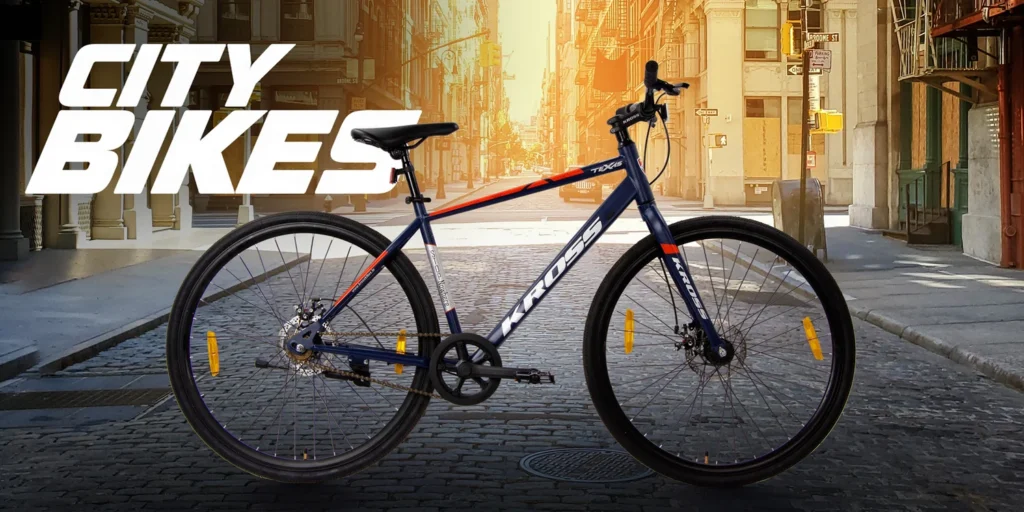
Whether you are looking to beat the morning rush-hour traffic, improve your cardiovascular fitness, explore rugged mountain trails, or lower your carbon footprint, the humble bicycle remains one of humanity’s most efficient, practical, and liberating inventions.
Over two centuries after its initial invention, the modern bicycle continues to evolve with lightweight carbon fiber frames, high-capacity electric battery integration, electronic wireless shifting, and precision hydraulic disc brakes. Yet, at its core, the fundamental mechanics remain brilliantly simple: two wheels, a frame, a pair of pedals, and human power.
This comprehensive guide dives deep into everything you need to know about the bicycle—from its fascinating evolution to detailed bike categories, frame materials, proper sizing techniques, essential maintenance routines, and safety practices.
The Evolutionary History of the Bicycle
The story of the bicycle is a continuous journey of engineering innovation and cultural shifts. Understanding where the modern bike comes from helps explain why today’s designs feature specific geometries and component layouts.
1. The Laufmaschine (Dandy Horse) – 1817
Invented by German Baron Karl von Drais in 1817, the earliest ancestor of the bicycle was called the Laufmaschine (running machine) or “Dandy Horse.” It consisted of two inline wheels connected by a wooden frame. It had no pedals or drivetrain; riders propelled themselves by pushing their feet against the ground while straddling the beam.
2. The Velocipede and the “Bone Shaker” – 1860s
By the 1860s, French inventors Pierre Michaux and Pierre Lallement attached rotary cranks and pedals directly to the front wheel axle. Known as the velocipede, this wooden-framed machine with iron-rimmed wheels gained the nickname “Bone Shaker” due to the incredibly rough ride it produced on cobbled roads.
3. The Penny-Farthing (High Wheeler) – 1870s
To increase top speeds without complex gearing, engineers enlarged the front wheel. The Penny-Farthing featured a massive front wheel (up to 60 inches in diameter) and a tiny rear wheel. While faster, it was notoriously dangerous; a small bump in the road could launch the rider forward in a headfirst crash known as “taking a header.”
4. The Safety Bicycle – 1885
In 1885, John Kemp Starley introduced the Rover Safety Bicycle, revolutionizing personal transport forever. The Safety Bicycle featured:
- Two equal-sized wheels.
- A rear-wheel chain drive powered by mid-mounted pedals.
- Steerable front fork geometry.
Combined with John Boyd Dunlop’s invention of the pneumatic (air-filled) rubber tire in 1888, the modern bicycle layout was finalized, creating a safe, comfortable, and scalable mode of travel accessible to all ages and genders.
Anatomy of a Modern Bicycle
To choose, maintain, or repair a bicycle effectively, it is helpful to familiarize yourself with its primary structural components and systems.
[Handlebars] ——– [Stem]
| |
[Brake Levers] [Head Tube] —— [Top Tube] —— [Seat Post] — [Saddle]
| | |
[Front Fork] [Down Tube] [Seat Stays]
| | |
[Front Wheel] —– [Bottom Bracket] — [Chain Stays] —- [Rear Wheel]
|
[Cranks & Pedals] — [Chain / Drivetrain]
1. The Frame
The frame serves as the core skeleton supporting the rider’s weight and handling forces. Standard frame designs feature a main triangle (top tube, down tube, seat tube) and a rear triangle (seat stays, chain stays).
2. The Drivetrain
The drivetrain converts the mechanical energy from your legs into forward propulsion. Key elements include:
- Pedals and Crankset: The levers you rotate with your feet.
- Bottom Bracket: The bearing assembly inside the frame that allows the cranks to spin smoothly.
- Chain or Belt: Connects the front chainrings to the rear cog cluster.
- Cassette and Derailleurs: Multi-gear setups use a rear cassette (a set of cogs) and front/rear derailleurs to shift the chain across gears, adjusting resistance for climbs and flats.
3. The Braking System
- Rim Brakes: Squeeze rubber pads directly against the wheel’s outer rim. They are lightweight and simple to service, though wet weather reduces their stopping efficiency.
- Mechanical Disc Brakes: Cable-actuated calipers clamp onto a steel rotor attached to the wheel hub, providing consistent stopping power regardless of weather.
- Hydraulic Disc Brakes: Use fluid pressure rather than physical cables. They offer supreme modulation, minimal lever effort, and maximum stopping power under heavy loads or fast descents.
4. Wheels and Tires
Wheels consist of a central hub, steel spokes, an outer rim, and rubber tires. Tire width and tread pattern vary depending on terrain:
- Narrow, smooth tires (23mm–28mm): Optimized for low rolling resistance on paved roads.
- Medium, treaded tires (32mm–45mm): Ideal for city streets, gravel paths, and light multi-surface touring.
- Wide, knobby tires (2.1″–2.6″+): Designed to grip dirt, mud, rocks, and loose trail surfaces.
Exploring the Main Bicycle Types
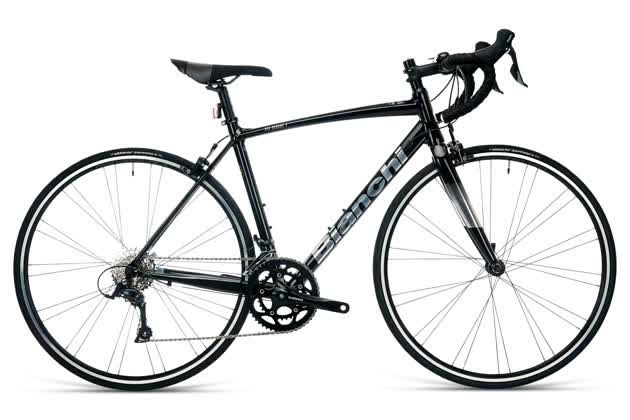
Selecting the right bicycle begins with understanding where and how you plan to ride. Today’s bicycle market offers specialized models optimized for specific riding styles and terrains.
1. Road Bicycles
Engineered for speed, efficiency, and long distances on smooth asphalt, road bicycles feature lightweight frames, drop handlebars (curved downward for aerodynamic hand positions), and skinny high-pressure tires.
- Performance Road Bikes: Focus on low weight, high frame stiffness, and aggressive racing geometry.
- Endurance Road Bikes: Feature slightly taller head tubes and longer wheelbases for a more upright, comfortable position during long endurance rides.
2. Mountain Bicycles (MTB)
Built to tackle rugged off-road terrain, rocks, roots, and steep gradients, mountain bikes feature sturdy frames, wide flat handlebars, powerful hydraulic disc brakes, and wide knobby tires.
| MTB Category | Suspension Setup | Best Suited For |
| Hardtail | Front suspension fork only | Cross-country trails, climbing efficiency, lower maintenance |
| Full-Suspension | Front fork + rear shock absorber | Technical descents, rocky singletrack, maximum comfort and traction |
| Downhill (DH) | Long-travel front and rear suspension | Extreme downhill gravity parks, drop-offs, high-speed jumps |
3. Gravel and Adventure Bikes
Gravel bikes combine the drop-bar drop positions and speed of a road bike with the frame clearance, disc brakes, and wide-tire capabilities of an off-road bike. They excel on dirt roads, unpaved gravel trails, forest service paths, and long-distance bikepacking tours.
4. Hybrid and Commuter Bicycles
Hybrid bicycles bridge the gap between road and mountain bikes. Featuring an upright handlebar position, comfortable saddle, medium-width tires, and rack/fender mounts, they are the go-to choice for casual neighborhood rides, fitness paths, and city commutes.
5. Electric Bicycles (E-Bikes)
Electric bicycles feature an integrated electric motor and lithium-ion battery that supply pedal-assist power (pedelec system). As you pedal, the motor amplifies your effort, making steep hills effortless and expanding your commuting radius without heavy physical exertion.
- Class 1: Pedal-assist only, up to 20 mph (32 km/h).
- Class 2: Throttle-assisted and pedal-assist, up to 20 mph (32 km/h).
- Class 3: Pedal-assist only, up to 28 mph (45 km/h), often equipped with a speedometer.
Key Benefits of Riding a Bicycle
Integrating cycling into your daily lifestyle delivers measurable health, environmental, and financial rewards.
Health and Fitness
- Cardiovascular Health: Regular cycling strengthens your heart muscle, lowers resting pulse rate, and reduces blood fat levels. Riding just 20 miles a week can significantly lower your risk of coronary heart disease.
- Low-Impact Exercise: Unlike running or high-impact team sports, cycling is gentle on joints, hips, and knees while building leg muscle strength in the quadriceps, hamstrings, and calves.
- Mental Well-being: Aerobic cycling releases endorphins, reduces cortisol levels, and improves sleep quality, helping alleviate stress, anxiety, and mild depression.
Environmental Sustainability
- Zero Direct Emissions: Bicycles emit no tailpipe pollutants, greenhouse gases, or smog-forming compounds. Substituting short car trips with bike rides directly combats urban carbon footprints.
- Reduced Noise Pollution: Cycling eliminates engine noise, contributing to quieter, calmer urban neighborhoods.
Economic Savings
- Lower Transportation Costs: Owning and maintaining a bicycle costs a small fraction of automobile ownership—saving thousands annually on gasoline, insurance premiums, parking fees, and mechanics’ labor.
Bicycle Frame Materials Comparison
The frame material dictates a bicycle’s weight, durability, ride quality, and cost.
| Material | Advantages | Disadvantages | Best For |
| Aluminum | Lightweight, stiff, affordable, rust-resistant | Can feel harsh over rough road vibration | Budget to mid-range road, mountain, and hybrid bikes |
| Steel (Chromoly) | Extremely durable, smooth road vibration dampening, easy to repair | Heavier than aluminum or carbon | Touring bikes, urban commuters, classic steel road frames |
| Carbon Fiber | Highest strength-to-weight ratio, customizable vibration compliance, ultra-light | Higher cost, susceptible to frame cracks from sharp impacts | High-performance road, gravel, and mountain racing |
| Titanium | Virtually indestructible, rust-proof, lightweight, smooth ride | Highest price point, complex manufacturing | Custom forever bikes, long-distance touring |
How to Choose the Right Bicycle Size
Riding an incorrectly sized bicycle can lead to knee pain, back strain, hand numbness, and poor control. Follow these essential fitting steps:
- Check Standover Height: Stand barefoot flat over the top tube. You should have 1 to 2 inches of clearance for road bikes, and 2 to 4 inches of clearance for mountain bikes.
- Determine Saddle Height: Sit on the saddle with your heel resting on the pedal at its lowest point. Your leg should be fully straight. When you place the ball of your foot on the pedal, your knee should retain a slight bend (around 25° to 30°).
- Evaluate Reach: Your arms should naturally reach the handlebars with a slight bend at the elbows without feeling overstretched or cramped.
Essential Maintenance Protocols
Regular preventive maintenance keeps your bicycle running smoothly, extends component lifespan, and keeps you safe on the road.
The “ABC Quick Check” Before Every Ride
- A – Air: Check tire pressure using a floor pump equipped with a gauge. Ensure pressure matches the recommended PSI listed on the tire sidewall.
- B – Brakes: Squeeze both brake levers tightly. Ensure the pads touch the rim or rotor firmly before the lever reaches the handlebar grip.
- C – Chain & Drivetrain: Check that the chain is clean, lubricated, and moving smoothly across gears without skipping.
- Quick Release / Thru-Axles: Verify that wheel axles and seatpost clamps are securely tightened.
Monthly Care Routine
- Clean the chain, cassette, and chainrings using a dedicated bicycle degreaser and scrub brush.
- Apply a drop of chain lubricant to each link, let it penetrate, and wipe off all excess oil with a clean rag.
- Check tire tread for embedded glass, sharp flints, or sidewall cracks.
Bike Safety Guidelines
Navigating roads and multi-use trails safely requires awareness and preparation:
- Wear a Fitted Helmet: Ensure the helmet sits level across your forehead (two finger-widths above your eyebrows) with straps pulled snug beneath your chin.
- Increase Daytime & Nighttime Visibility: Use a blinking white front headlight and a bright red rear safety light on all rides. Wear high-visibility clothing.
- Signal Intention: Use clear hand signals before turning, changing lanes, or coming to a complete stop.
- Follow Traffic Rules: Treat your bicycle as a legal vehicle on the road. Obey stop signs, traffic signals, and ride in the direction of traffic flow.
The Future of Bicycles: Smart Mobility & Urban Design
Cities around the globe are investing heavily in dedicated protected bike lanes, low-traffic greenways, and public bike-sharing programs. Concurrently, the bicycle industry continues to advance:
- Smart E-Bikes: Integrated GPS tracking, anti-theft automatic wheel locks, and smartphone connectivity.
- Wireless Electronic Shifting: Precise shifting powered by small motors inside the derailleurs, eliminating cable stretch and friction.
- Tubeless Tire Technology: Liquid sealant inside tubeless tires instantly seals small punctures while allowing lower tire pressure for improved comfort and traction.
The bicycle remains one of humanity’s greatest tools for health, mobility, and sustainable living—offering a clean, enjoyable, and efficient path forward for modern transportation.